Social media scams
Be careful on social media, if something sounds too good to be true, it probably is. Social media scams often try to fool you into sharing your personal information and even target people on lots of different channels. Be aware of fake profiles.

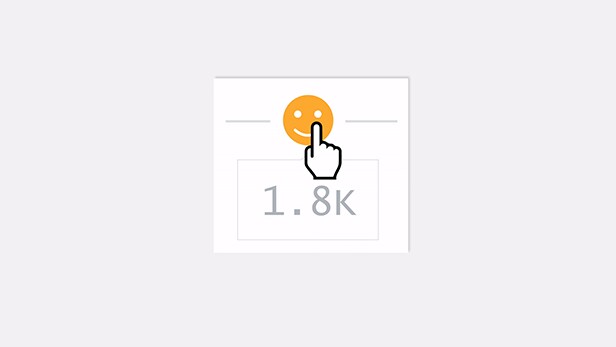
Suspicious amounts of likes?
Fake social media campaigns are used to ‘farm’ likes - the more likes a post gets, the more it will feature in people's online feed. When the posts are highly ranked, fraudsters change the content of the posts to trick people into giving out personal information or coerce them into downloading malicious software.
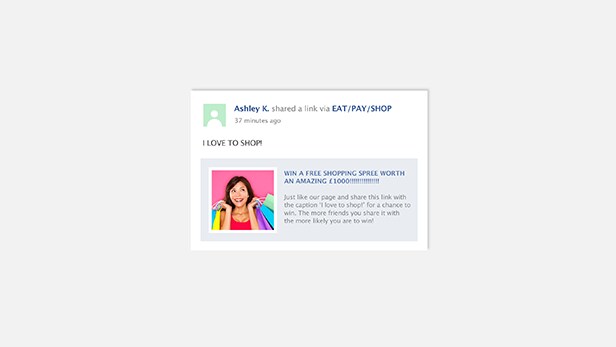
Competitions
Unfortunately, it’s unlikely that you’ll win high-value items for free, in return for a click or like. It’s likely that competitions like this are scams used to collect your details when you enter the survey or competition.
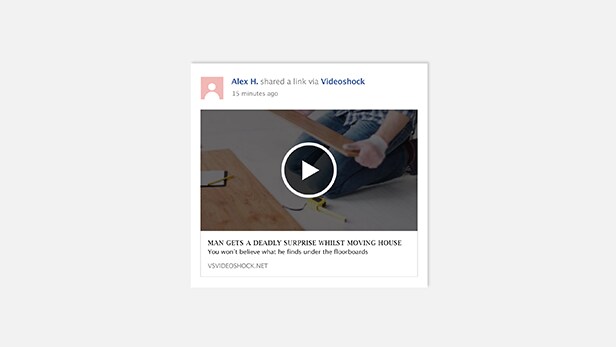
Breaking or shocking news
A lot of posts about ‘exclusive coverage’, celebrity scandals, and other sensationalist posts are used to entice users to click through and then submit their details - so avoid these on social media
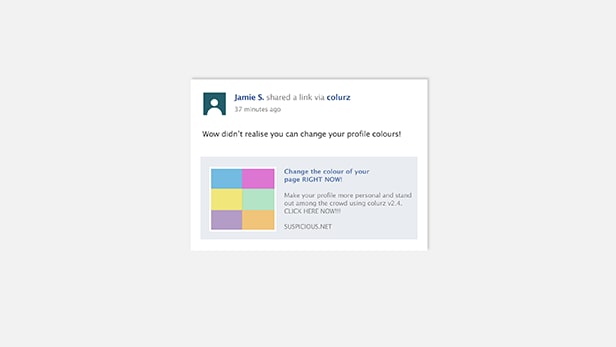
New or extra social media features
While there are legitimate browser extensions (a browser extension is a plug-in that can change or improve the way your browser works) scammers can insert adware or malware into the plugins, so be careful and only install apps and extensions from trusted and well-known developers
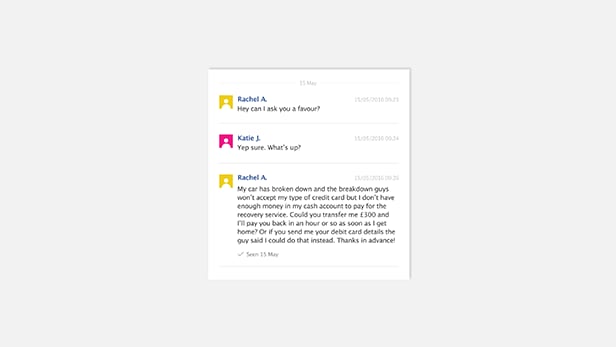
‘Help - I need money!’
If you get a message from a friend or family member saying they’re stranded somewhere and they need you to send them money - don’t! Try to contact the person in a different way, it’s likely it isn’t actually them. Scammers will ask you to use an international transfer service where they can impersonate your friend or loved one and steal the money.
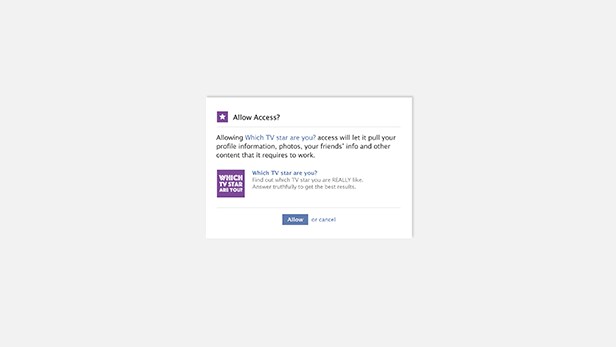
Quizzes and surveys
Many online surveys may promise free things but are actually designed to get your personal information. Participating and giving permission to access your personal information means you may be giving away all your personal details, your entire activity history and friends list, as well as device information like IP address. To avoid this, only participate in quizzes and surveys which don’t force you to log into your account, or if you do give permission always check the privacy policy.
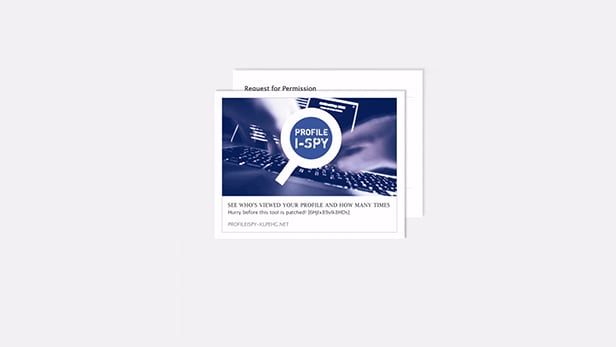
Profile viewers and blockers
No tool or app can show you who has viewed your profile, as social media platforms do not share the data required to develop these. This is a ploy to get your personal data when you click on the link.
Scammers pretending to be Tesco
We’re aware of Facebook scammers impersonating Tesco – don’t click on this content. Tesco only has one Facebook page: facebook.com/tesco/



Tesco privacy and cookies policy
Read more about how we collect, use, store and protect your personal data
Find out more