
Inspiration and events
Food and drinks







Health, wellbeing and beauty



Home and garden ideas


Even more shopping inspiration



Save and explore more



Helping you spend less
From Aldi Price Match to Clubcard deals, we’ve lots of money-saving offers
Everyday value
Marketplace
Our sellers have a marvellously weird and wonderful range, why not take a look?
Explore Marketplace
F&F Clothing
Easy‑to‑wear fashion for the whole family, designed with everyday life in mind
Shop F&F Clothing
We're here to help

Help for hidden disabilities
We're here to help customers who may need a little extra help when shopping
Find out more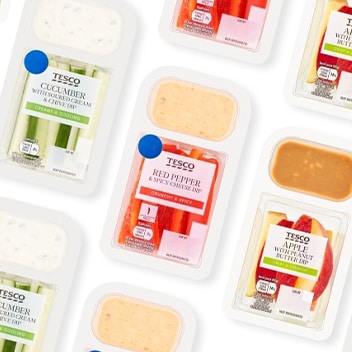
Better Baskets
We'll help you fill your basket with better choices, every time you shop
Explore Better Baskets
Our little helps
We're committed to helping customers, colleagues, communities, and the planet
Discover more
Ideas and shopping inspiration
From everyday essentials to little treats that make a big difference, enjoy all the brands you love, in one place. Discover our trusted Tesco own label ranges alongside exclusive brands designed to offer quality, value and choice for every budget. From fashion must haves at F&F to thousands of additional products available through Tesco Marketplace, it’s easy to find what you’re looking for. You can also browse dinner inspiration, health and beauty must-haves and discover how we’re supporting your local community. Tesco is here to help make everyday life a little better.